
Air Quality Guidance for Schools
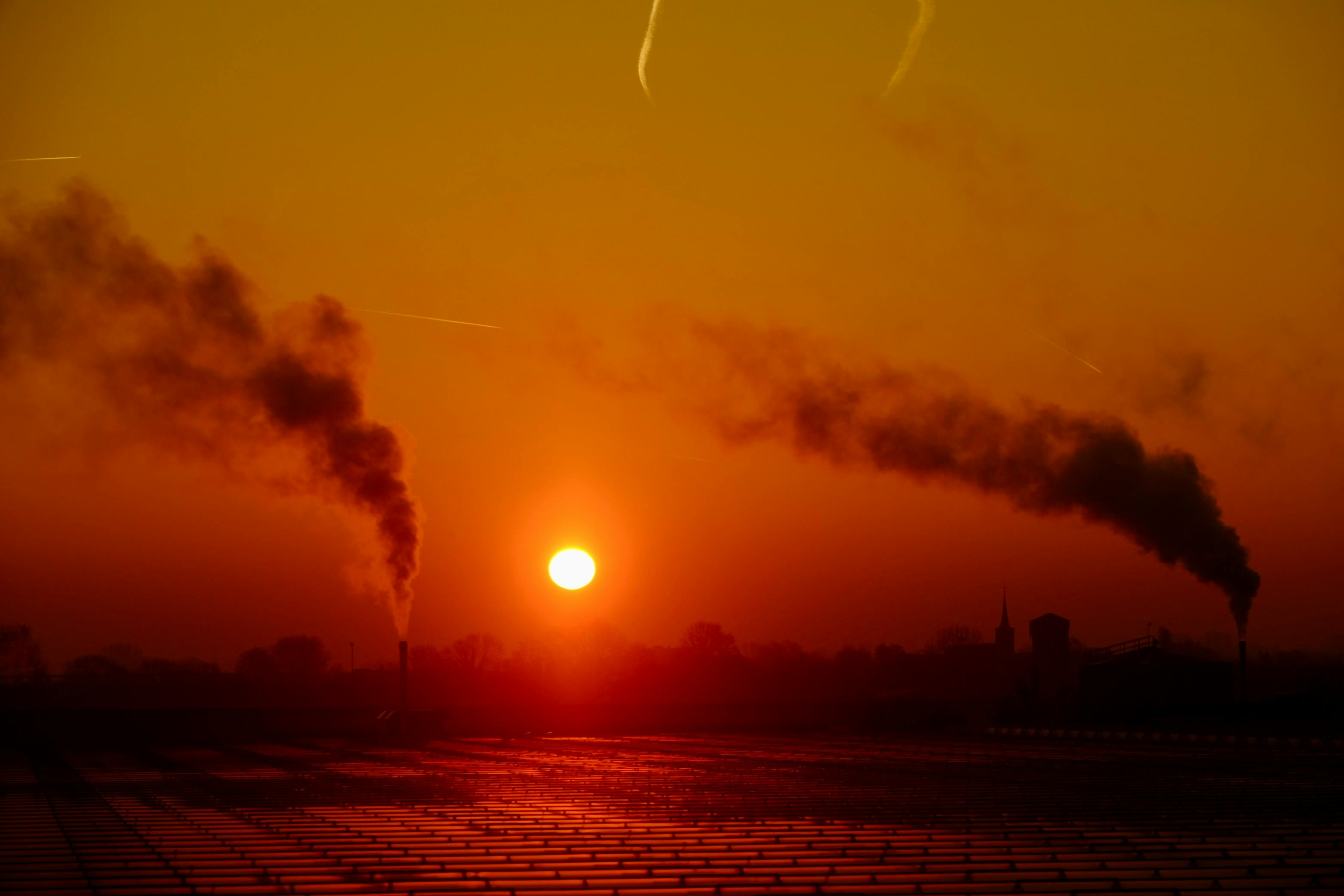
Poor air quality can affect the health and safety of students and staff, particularly during outdoor activities such as recess, physical education, athletics, and school events. While wildfire smoke is a significant concern in California, poor air quality may also result from ozone pollution, high wind and dust activity, agricultural activity, vehicle emissions, and other environmental conditions. Schools should monitor local air quality conditions and take appropriate precautions to help reduce exposure and support informed decisions about outdoor activities and school operations.
Tools and Guidance for Monitoring Air Quality
Schools can use a variety of tools and resources to monitor local air quality conditions and help guide decisions regarding outdoor activities, athletics, recess, physical education, and school events. Air quality conditions may change rapidly throughout the day, particularly during wildfire events, dust storms, or periods of elevated ozone.
Recommended Air Quality Tools
AirNow.gov
AirNow.gov, operated by the United States Environmental Protection Agency (EPA), provides current Air Quality Index (AQI) conditions, smoke forecasts, and health recommendations. AirNow is widely used by public health agencies, air districts, and schools throughout California.
ImperialValleyAir.org
Provides current Air Quality Index (AQI) conditions throughout Imperial County. Individuals may also sign up for air quality alerts and forecasts.
California Smoke Spotter
The California Smoke Spotter app, developed by the California Air Resources Board (CARB), provides smoke forecasts and wildfire smoke information in English and Spanish.
Visit California Smoke Spotter
Understanding Air Quality Measurements
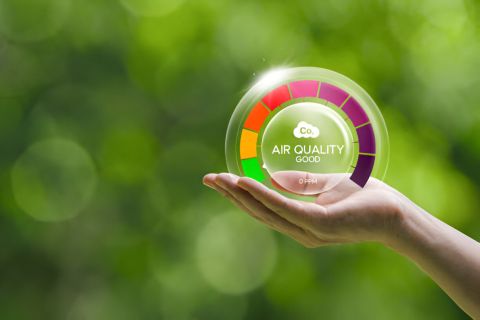
Air quality is commonly measured using the Air Quality Index (AQI), a tool developed by the United States Environmental Protection Agency (EPA) to communicate how clean or polluted the air is and the potential health effects associated with current conditions. The AQI takes into account several pollutants, including particulate matter (such as wildfire smoke and dust), ozone, and other airborne contaminants.
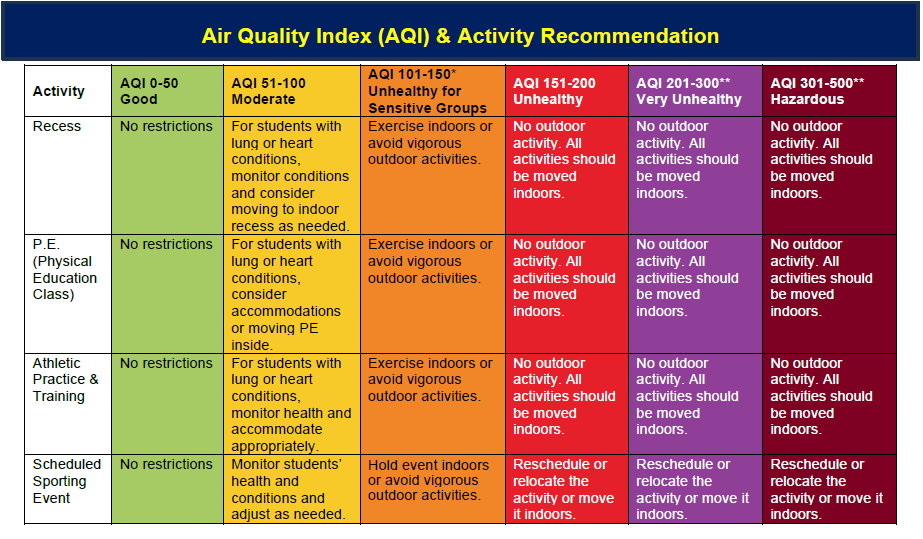
AQI values range from 0 to 500, with higher numbers indicating greater levels of air pollution and increased health concerns. Schools can use AQI forecasts and real-time monitoring tools to help guide decisions about outdoor activities, athletics, recess, and other school events.
Local air districts may also use additional monitoring methods or regional tools to assess air quality conditions. Schools are encouraged to consult local public health and air quality agencies for region-specific guidance.
School Activity Guidance Based on AQI
School districts should make decisions about school activities and closures based on local air quality conditions, the availability and quality of school building air filtration, and direct observation of onsite indoor/outdoor air quality. These recommendations may also help guide individual accommodations or activity modifications for students and staff with respiratory conditions, heart conditions, or other health concerns that may increase sensitivity to poor air quality. The following recommendations are intended to support local decision-making and are not requirements.
School Closure Considerations
Outdoor air quality is one factor schools should consider when determining whether to modify operations or close a school site. Decisions should be based on local conditions, indoor air quality, the ability to maintain a safe learning environment, and the needs of students and staff. School closure decisions remain a local decision for each district or school site.
Before making a decision to close a school due to poor air quality, schools may consider:
- Indoor air quality and the effectiveness of ventilation and filtration systems
- Whether indoor spaces provide cleaner air than outdoor environments
- The ability to safely supervise students indoors
- The health needs of students and staff, particularly individuals with respiratory or heart conditions
- Access to meals, counseling, nursing, and student support services
- The impact of closures on families and childcare needs
- Local emergency conditions and recommendations from public health or emergency management officials
Schools may also choose to collaborate with the local Emergency Operations Center (EOC), Imperial County Public Health, Imperial County Air Pollution Control District, Imperial County Office of Education (ICOE), and other community partners when evaluating significant air quality events or operational impacts. Coordination with local partners may help support situational awareness, communication, and informed decision-making during rapidly changing conditions.
Schools with properly functioning HVAC systems and effective air filtration may be able to provide safer indoor environments during smoke or poor air quality events than some homes or community settings.
School districts should also establish communication procedures for notifying families, staff, and community partners regarding closures, activity modifications, or other operational changes related to air quality conditions.
School closures due to poor air quality should be reported using the School Emergency Reporting System (SERS).
Indoor Air Quality and Cleaner Air Spaces

During periods of poor air quality, schools may take steps to improve indoor air quality and reduce exposure to smoke, dust, and other airborne pollutants. Indoor spaces may provide safer environments for students and staff when air filtration and ventilation systems are functioning effectively.
Schools may consider the following strategies to support cleaner indoor air:
- Maintain and regularly service HVAC systems
- Use medium or high-efficiency air filtration, including MERV-13 filters when compatible with the system
- Utilize portable HEPA air cleaners in classrooms, health offices, and other occupied spaces when available
- Identify and prioritize use of cleaner indoor spaces for students and staff during smoke or air quality events
- Keep doors and windows closed when outdoor air quality is poor, if safe indoor temperatures can be maintained
- Reduce introduction of outdoor air by limiting outside air intake during smoke events and reopening ventilation systems after conditions improve
- Avoid devices marketed as “ionizers” or “ozone generators”, which may create additional air quality concerns
Schools may also consider using indoor air quality monitoring tools or consulting with facilities staff, local air districts, or environmental health professionals when evaluating building conditions during prolonged poor air quality events.
Resources
Air Quality Monitoring and Forecasting
AirNow.gov
Provides current Air Quality Index (AQI) conditions, wildfire smoke maps, forecasts, and health recommendations from the U.S. Environmental Protection Agency (EPA).
ImperialValleyAir.org
Provides current Air Quality Index (AQI) conditions throughout Imperial County. Individuals may also sign up for air quality alerts and forecasts.
California Smoke Spotter
A California Air Resources Board (CARB) tool that provides 72-hour smoke forecasts and wildfire smoke information in English and Spanish.
Visit California Smoke Spotter
School and Operational Guidance
California Department of Education (CDE)
School Emergency Reporting System (SERS)
Information for reporting school closures and emergency conditions.
California Department of Education (CDE)
Memo: Get Smart about Wildfire Smoke - Guidelines for Schools and Wildfire Smoke
Guidance related to outdoor activities and environmental conditions affecting student safety.
California Interscholastic Federation (CIF)
Extreme Heat and Air Quality Policy
Guidance for athletics and outdoor sports activities during poor air quality and extreme heat conditions.
Local Resources
Imperial County Air Pollution Control District
Local air quality alerts, dust advisories, and regional air quality information.
Imperial County Public Health Department
Local public health information and emergency preparedness resources.
Sample Extreme Weather Annex
Districts may use this sample annex as a reference for creating a district or site specific annex.